Space Engine Cloud – shared cloud (SaaS)
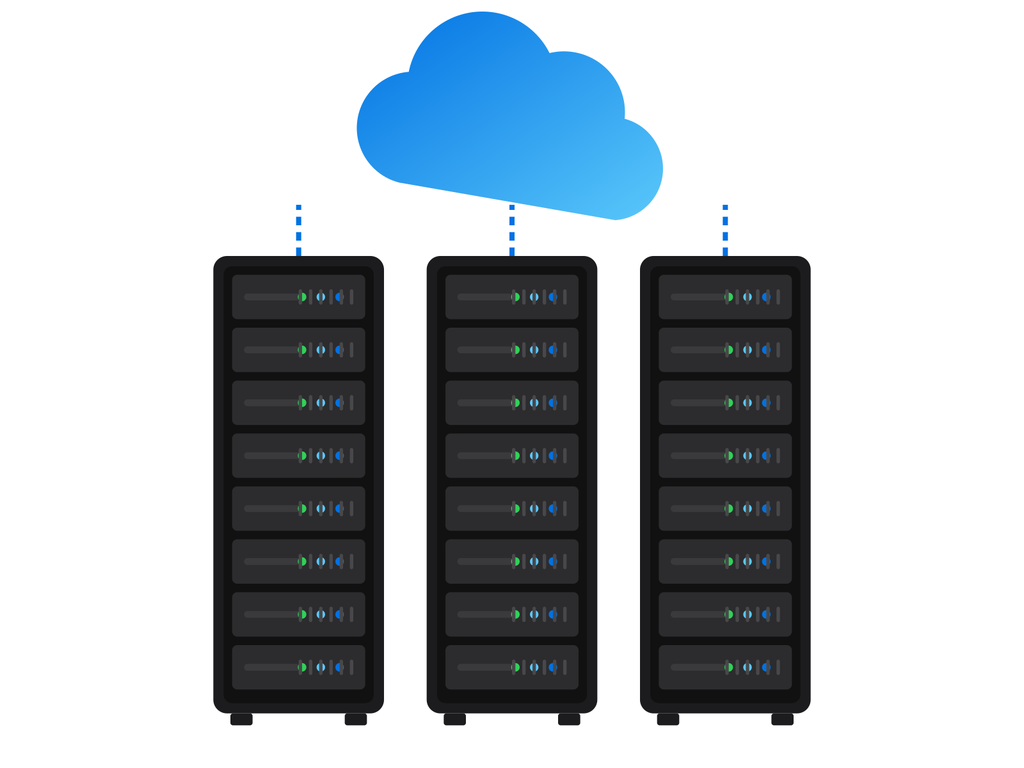
The Space platform as a service: dedicated physical (bare-metal) servers in Space’s own locations, shared by customers with logical isolation of each customer’s data.
| Service model | SaaS, multi-tenant platform |
|---|---|
| Hosting | dedicated physical (bare-metal) servers in Space’s own locations |
| Isolation | logical tenant isolation: separate application keys (AppKey/AppSecret) and JWT tokens |
| Operated by | Space: servers, platform and updates |
| Device communication | MQTT; about 30 MB per hub per month, mostly heartbeat |
No infrastructure of your own
Space runs the servers, the platform and the updates. You connect hubs and devices and manage the site from the app and the web console.
Multi-tenant with logical isolation
Each customer has its own application in the platform with separate keys (AppKey/AppSecret) and JWT tokens, so it sees and controls only its own devices.
Quick start
No server to buy. Hubs connect to the cloud over lightweight MQTT, about 30 MB per hub per month, mostly heartbeat messages.
How Space Engine Cloud works
Space Gate hubs and devices connect to the MQTT broker in the Space cloud. The Space Engine platform microservices process events and commands, and your apps and systems (e.g. a hotel PMS) use the REST API and WebSocket. Each customer works in its own logically isolated space.
One platform, three deployment models
Space Engine runs in three models: Cloud, Private Cloud and Self-Hosted (in the Edge and On-Premise variants). All of them use the same software, API and devices, so you can switch models without replacing devices and keep control of the infrastructure and security procedures on your side.
Specifications
| Service model | SaaS, multi-tenant platform |
|---|---|
| Hosting | dedicated physical (bare-metal) servers in Space’s own locations |
| Isolation | logical tenant isolation: separate application keys (AppKey/AppSecret) and JWT tokens |
| Operated by | Space: servers, platform and updates |
| Access | Space app, web console and API over the internet (HTTPS/WSS) |
| Device communication | MQTT; about 30 MB per hub per month, mostly heartbeat |
| API and integration | REST API (HTTP/JSON), live events over WebSocket, HTTP webhooks |
| Updates | Space updates the platform centrally; device firmware over the air (OTA) |
| Scaling | handled by Space, with no hardware investment by the customer |
| Typical customer | hotels, offices and sites that want a quick start without their own IT infrastructure |
Yes, logically. Each customer has its own application in the platform with separate keys and JWT tokens, so it can only access its own devices and events. If you need isolation at machine level, choose Space Engine Private Cloud or Space Engine Edge.
Very little. MQTT communication is very light: one hub uses about 30 MB of data per month, mostly device heartbeat messages.
Click “BUY IN SHOP” to open the product in the Space BMS shop. For larger orders and projects, call +48 533 909 533 or use the contact form.
In the “Downloads” tab. If a document you need is missing, we will send it on request.
Downloads
Datasheets and manuals in PDF format. If you need a document in another language, please contact us.
Technical documentation is available on request.
Questions about this product?
Call us on +48 533 909 533 or send us a message. We will match the solution to your building.